
Introduction
An industrial ultrasonic cleaner is a powerful tool that can dramatically improve cleaning efficiency and quality. But like any tool, it only works well when used correctly. Many people who are new to ultrasonic cleaning— and even some experienced users—make common mistakes that reduce cleaning effectiveness, damage parts, or shorten the life of the equipment. The good news is that most of these mistakes are easy to avoid once you know what to look for. In this article, we count down the 10 most common ultrasonic cleaning mistakes and explain how to fix them, so you can get the best possible results from your machine.
01 Mistake #1: Overloading the Tank
What Happens
One of the most common mistakes is simply putting too many parts into the tank at once. It is tempting to cram as many parts as possible into each batch to save time, but overloading actually backfires.
When the tank is overloaded:
- - Solution cannot circulate properly between parts
- - Ultrasonic energy is blocked, creating “shadow” areas where parts do not get clean
- - Parts rub against each other, potentially causing scratches or damage
- - Cleaning time increases because the solution cannot reach all surfaces
- - Results are inconsistent—some parts come out clean, others do not
How to Avoid It
The solution is simple: do not overcrowd the basket. A good rule of thumb is that parts should occupy no more than 60–70% of the basket volume. The rest should be open space for solution circulation.
- Leave space between parts so solution can flow freely
- Do not stack parts on top of each other unless you have a multi-level basket designed for it
- Position parts so that all surfaces are exposed to the solution
- If you have a lot of parts, run multiple batches instead of cramming them all into one
It may seem counterintuitive, but running two properly loaded batches often takes less total time than running one overloaded batch that requires re-cleaning.
02 Mistake #2: Wrong Temperature
What Happens
Temperature is one of the most important factors in ultrasonic cleaning performance, but many people either run their machine too cold or too hot.
Too cold: Running at room temperature or below the recommended range means the detergent is not working at full effectiveness, soils like grease are not softened, and cavitation is less abundant. The result is slower, less effective cleaning.
Too hot: Running hotter than necessary wastes energy and can actually reduce cleaning performance. Above about 70°C, the vapor pressure in the cavitation bubbles increases significantly, making the implosions less energetic. Beyond a certain point, hotter does not mean cleaner—it means less clean.
How to Avoid It
For most water-based detergent systems, the optimal temperature range is 50–70°C (122–158°F). Within this range, you get the best balance of cavitation intensity and chemical cleaning action.
03 Mistake #3: Wrong Detergent Concentration
What Happens
Many people assume that if a little detergent is good, more must be better. But that is not how it works. Using too much detergent can actually reduce cleaning performance and cause other problems.
- Can cause excessive foaming
- Leaves more residue on parts
- Wastes money
- Safety/skin irritation issues
- Lacks cleaning power
- Surface tension not reduced enough
- Parts remain dirty
How to Avoid It
Always follow the detergent manufacturer’s recommendations for concentration. Most industrial ultrasonic detergents are designed to be used at a specific concentration—usually 2–10% by volume.
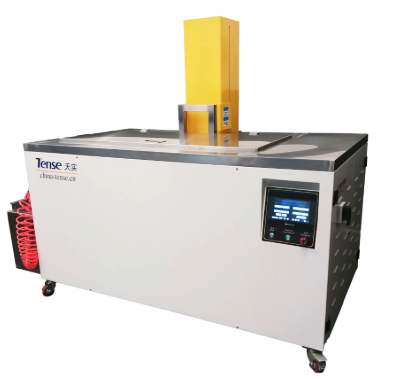
Lift Ultrasonic Cleaner TS-UD Series
Short Description:
The industry standard range of ultrasonic cleaning equipment ranges from 140 to 2300 liters capacity. They are designed for cleaning and descaling of all types of parts, components and accessories.
All equipment in this line can incorporate a lifting platform that facilitates loading and unloading of parts. They can also carry systems of filtration, separation of oils and water treatments, among others.
04 Mistake #4: Skipping the Degas Step
What Happens
When you fill the tank with fresh solution, or when you add new detergent, the solution contains a lot of dissolved air. This dissolved air interferes with cavitation—the bubbles form around the air bubbles instead of imploding properly, reducing cleaning effectiveness.
How to Avoid It

Degassing the solution before you start cleaning removes the dissolved air and maximizes cavitation effectiveness. Run the ultrasonics for 5–10 minutes without parts in the tank.
Many modern ultrasonic cleaning machine units have a built-in degas function that does this automatically.
05 Mistake #5: Using the Wrong Frequency
- 28 kHz: Heavy-duty (steel, cast iron)
- 40 kHz: General-purpose (most versatile)
- 60–80 kHz+: Gentle (delicate, precision parts)
What Happens
Frequency too low can cause surface erosion on soft metals. Frequency too high may not be strong enough for heavy soils.
#6 Parts Touching Tank Bottom
Never put parts directly on the bottom. It damages transducers and creates uneven cleaning. Always use the basket.
#7 Not Changing Solution
Dirty solution reduces effectiveness and can cause redeposition of dirt. Change it when performance declines or it looks cloudy.
#8 Skipping the Rinse Step
Detergent residue leaves spots and can cause corrosion. Always rinse with fresh water, ideally deionized for final rinse.
#9 Not Drying Properly
Wet parts rust. Use compressed air or a drying oven immediately after rinsing to prevent water spots and flash rust.
#10 Neglecting Regular Maintenance
Establish a regular routine: Daily level checks, Weekly skimming, Monthly tank cleaning, and Annual professional inspections.
Bonus Mistake: Using the Wrong Detergent
Choose detergent based on soil type: Alkaline for grease, Acidic for rust, and Neutral for aluminum. Always test on a sample part first.
Conclusion
Ultrasonic cleaning is a powerful technology, but it only delivers optimal results when used correctly. By avoiding these common mistakes, you can get the best possible performance from your ultrasonic cleaning machine.
Visit Tense to learn more about the TS Series and get expert advice on all things ultrasonic cleaning.
Frequently Asked Questions
Q: What is the most common ultrasonic cleaning mistake?
A: Overloading the tank. It blocks energy and prevents proper circulation.
Q: How do I know if my detergent concentration is right?
A: Follow manufacturer instructions and use a refractometer or test strips for accuracy.
Q: Can I clean aluminum and steel parts together?
A: Not recommended due to galvanic corrosion risk. Use inhibitors if necessary.
Q: How often should I change the cleaning solution?
A: When cleaning performance declines or the solution is visibly saturated with contaminants.
Post time: Oct-09-2026