
Hydrocarbon Ultrasonic Cleaners: Benefits for Precision Industrial Cleaning
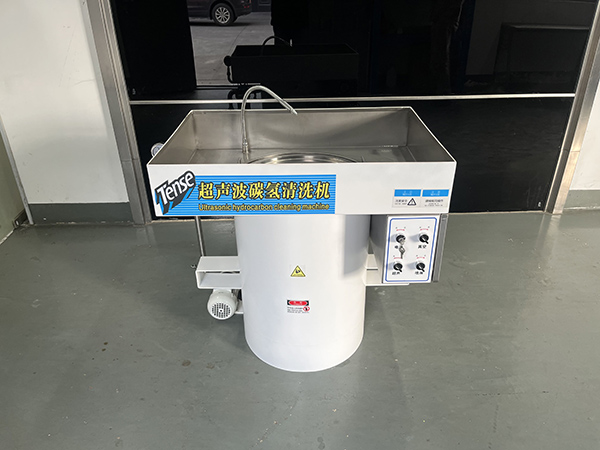
Hydrocarbon ultrasonic cleaners — also called solvent ultrasonic systems or vapor degreasers with ultrasonic agitation — use modified alcohol or hydrocarbon-based solvents instead of water-based detergents. These systems combine the mechanical cleaning power of ultrasonic cavitation with the excellent solvency of hydrocarbon fluids, delivering precision degreasing that is difficult to achieve with aqueous cleaning alone.
What Is a Hydrocarbon Ultrasonic Cleaner?
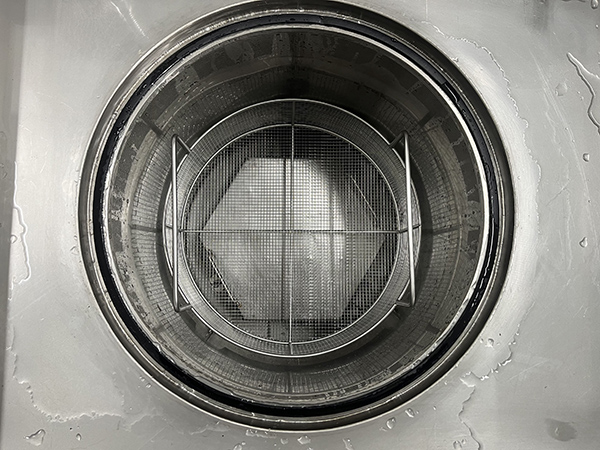
A hydrocarbon ultrasonic cleaning system uses non-halogenated hydrocarbon solvents (similar to mineral spirits but highly refined and purified) as the cleaning medium, combined with ultrasonic transducers for enhanced mechanical action.
Most industrial systems are multi-stage configurations including: 1. Ultrasonic wash tank — hot hydrocarbon solvent + ultrasonic cavitation for primary cleaning 2. Immersion rinse tank — clean solvent rinse to remove dissolved contaminants 3. Vapor zone — pure solvent vapor condenses on parts for a final, spot-free rinse 4. Drying zone — residual solvent evaporates completely, leaving parts dry and residue-free
The solvent is continuously distilled and recycled within the closed system, making it efficient and low-waste.
How It Differs from Aqueous Ultrasonic Cleaning
| Factor | Aqueous Ultrasonic | Hydrocarbon Ultrasonic |
| Cleaning medium | Water + detergent | Hydrocarbon solvent |
| Solvency for oil/grease | Good (chemistry-dependent) | Excellent |
| Drying method | Hot air, vacuum | Evaporative / vapor |
| Water spotting risk | Yes (requires DI water rinse) | None — solvent evaporates completely |
| Waste stream | Wastewater + oil sludge | Spent solvent (distillable) |
| Environmental regulation | Moderate (wastewater discharge) | Moderate (VOC / solvent handling) |
| Flash point | None (water-based) | Typically 55–90°C |
Key Advantages of Hydrocarbon Ultrasonic Systems
1. Superior Grease & Oil Solvency
Hydrocarbon solvents dissolve heavy oils, greases, lubricants, and waxes more effectively than most water-based detergents. This is especially valuable for: – Heavy stamping and drawing compounds – High-viscosity lubricating greases – Protective wax coatings and corrosion inhibitors – Heavy machining oils on steel and cast iron parts
The combination of solvent dissolution + ultrasonic cavitation removes contaminants that aqueous systems struggle with.
2. Spot-Free, Residue-Free Drying
One of the biggest advantages of hydrocarbon cleaning is that the solvent evaporates completely without leaving water spots, detergent residue, or mineral deposits. This is critical for: – Optical components and reflective surfaces – Precision bearing surfaces – Parts going directly to vacuum coating or plating – Cleanroom assembly components
No water spotting means no secondary wiping or polishing step.
3. Compatibility with Water-Sensitive Materials
Certain materials and assemblies cannot tolerate water exposure: – Powdered metal components (porous — traps water) – Some magnetic materials – Assemblies with paper or fiber components – Parts that would develop flash rust immediately after aqueous cleaning
Hydrocarbon solvents clean without introducing moisture, eliminating rust concerns for ferrous parts.
4. Closed-Loop Solvent Recovery
Modern hydrocarbon ultrasonic systems include built-in distillation that continuously purifies and recycles the solvent. Contaminants (oil, grease, particulate) are separated and concentrated as waste residue.
Benefits of closed-loop operation: – Solvent lasts for months before replacement – Minimal waste generation (only concentrated contaminant residue) – Consistent cleaning performance over time – Lower operating cost per part
5. Enhanced Cleaning with Ultrasonic Agitation
Adding ultrasonic energy to a solvent system dramatically improves cleaning performance compared to vapor degreasing alone: – Cavitation dislodges particulate that solvent alone cannot lift – Reaches into blind holes, crevices, and tight assemblies – Reduces required cleaning time vs. immersion-only solvent cleaning – Improves removal of solid particulates (swarf, dust, polishing compound)
Browse hydrocarbon and solvent ultrasonic cleaning systems from Tense for precision industrial applications.
Common Applications
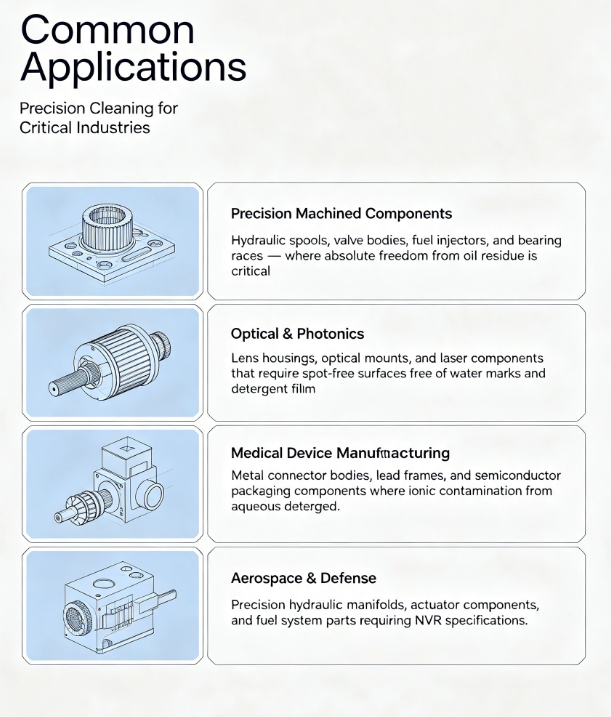
Precision Machined Components
Hydraulic spools, valve bodies, fuel injectors, and bearing races — where absolute freedom from oil residue is critical for function.
Optical & Photonics
Lens housings, optical mounts, and laser components that require spot-free surfaces free of water marks and detergent film.
Medical Device Manufacturing
Surgical instruments, implant components, and dental parts where residue-free drying and bioburden removal are required. (Note: Specific regulatory validation is required for medical applications.)
Electronics & Semiconductor
Metal connector bodies, lead frames, and semiconductor packaging components where ionic contamination from aqueous detergents is a concern.
Aerospace & Defense
Precision hydraulic manifolds, actuator components, and fuel system parts requiring NVR (non-volatile residue) specifications.
Environmental & Safety Considerations
VOC Emissions
Modern hydrocarbon cleaners use vacuum-tight sealed systems with very low solvent loss. Well-maintained units typically lose less than 1–2 grams of solvent per hour — significantly lower than open-top vapor degreasers of the past.
Flash Point & Safety
Industrial hydrocarbon solvents have flash points typically between 55–90°C, classified as Class IIIA flammable liquids. Safety systems include: – Automatic temperature control below flash point – Vapor detection and automatic shutoff – Explosion-proof electrical components where required – Proper facility ventilation
Regulatory Compliance
- • EU: REACH compliant formulations are standard
- • US: Regulated under EPA and OSHA; many formulations are EPA-exempt
- • Global: GHS labeling and SDS documentation required
Modern hydrocarbon solvents are significantly safer and more environmentally friendly than older chlorinated solvents (trichloroethylene, perchloroethylene), which are increasingly restricted or banned.
Limitations of Hydrocarbon Ultrasonic Cleaning
Hydrocarbon systems are not ideal for every application: – Not effective on water-soluble contaminants — flux residues, some inorganic soils, salt deposits – Higher initial equipment cost than basic aqueous systems – Solvent disposal — spent solvent requires hazardous waste handling, though distillation minimizes volume – Not for removing carbon, rust, or scale — these require aqueous chemistry or mechanical methods
Conclusion
Hydrocarbon ultrasonic cleaners deliver precision degreasing with spot-free drying that aqueous systems struggle to match. They are the preferred choice for applications requiring zero residue, compatibility with water-sensitive materials, or removal of heavy oils and greases that water-based detergents cannot fully dissolve. Modern closed-loop systems with solvent recovery minimize both environmental impact and operating cost.
For many precision manufacturing applications — especially in aerospace, medical, optics, and hydraulics — the combination of ultrasonic cavitation and hydrocarbon solvency produces the highest quality cleaning result available.
To discuss whether a hydrocarbon ultrasonic system is right for your application, contact Tense Industrial Cleaning.
Frequently Asked Questions
Q: Are hydrocarbon ultrasonic cleaners environmentally friendly? A: Modern closed-loop systems are far more efficient than older solvent cleaners. Solvent is continuously distilled and reused, with only concentrated contaminant residue as waste. Emissions from well-sealed units are very low — typically less than 1–2 grams per hour.
Q: How does hydrocarbon cleaning compare to vapor degreasing? A: Vapor degreasing uses only solvent vapor and condensation for cleaning. Hydrocarbon ultrasonic systems add ultrasonic agitation in the liquid phase, which dramatically improves removal of solid particulates and cleans internal features better than vapor alone.
Q: Is hydrocarbon cleaning safe for aluminum parts? A: Yes. Hydrocarbon solvents are chemically inert and compatible with virtually all metals including aluminum, copper, brass, steel, and stainless steel. No risk of etching or discoloration.
Q: How often does the solvent need to be replaced? A: With proper distillation and filtration, solvent typically lasts 3–6 months between full replacements. Only the concentrated waste residue from the distillation process needs periodic removal.
Post time: Aug-03-2026