
Introduction
A machined housing passes visual inspection. Every exposed surface is clean and bright. But inside a threaded blind hole, wedged in a cross-drilled oil gallery, or tucked beneath an undercut, a handful of metal chips and a smear of lapping compound remain. The part ships. Weeks later, that loose chip works free into an oil passage, scores a bearing, or jams a hydraulic spool—and the entire assembly comes back under warranty. This is the hidden quality risk that machined metal manufacturers fear most: contamination in the features they cannot see. Spray washing and manual air guns rarely solve it. In this article, we explain why machining chips get trapped in blind holes and internal passages, why conventional cleaning fails to remove them, and how a properly configured ultrasonic cleaning machine provides a verifiable solution.
1 Why Chips End Up Trapped in the First Place
The Geometry of Modern Machined Parts
Precision components are full of features designed to trap debris:
- Blind tapped holes where a tap has cut threads and left chips at the bottom
- Cross-drilled holes that intersect at angles, creating pockets where debris settles
- Oil galleries and coolant passages that snake through engine blocks
- Undercuts and relief grooves with no straight exit path
- Hydraulic valve bodies with small intersecting bores
- Deep cavities in transmission housings and differential cases
Why the Debris Stays Put
- Mechanical wedging: broken chips physically jam in thread roots.
- Surface tension: cutting fluid and oil form films that pin fine particles.
- Static adhesion: fine swarf clings to damp walls in narrow passages.
- Gravity: particles settle to the bottom where drainage is poor.
- No through-flow: blind holes cannot be flushed by pushing liquid in one end.
2 Why Spray Washing and Air Guns Fail
The Physics of a Deflected Jet
Spray washing depends on a jet of liquid striking the contaminant directly. Aim that jet at a blind hole and most of the energy simply deflects off the opening. Liquid follows the path of least resistance, splashing across the surface rather than driving to the bottom.
Compressed air suffers the same limitation: it can blow out loose debris, but chips wedged in threads or glued down with oil are unaffected. Air guns also turn hidden contamination into an airborne hazard.
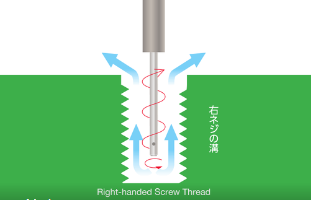
Figure 1: Residual chip contamination risks
The Real-World Consequences
⚠️ Mechanical Failure: Scored bearings and seized hydraulic spools.
❌ Lubrication Blockage: Blocked oil galleries causing catastrophic failure.
Post time: Oct-28-2026