
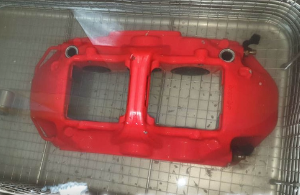
Why Brake Component Cleaning Matters
Safety and Performance
- ✓ Seal performance: The piston seals and dust boots must seat properly on clean surfaces. Any contamination left on the piston or cylinder bore can cause seal damage, leaks, or sticking.
- ✓ Corrosion prevention: Removing existing corrosion and cleaning the surfaces thoroughly helps prevent new corrosion from forming, extending the life of the component.
- ✓ Proper reassembly: Clean parts are easier to inspect, measure, and reassemble correctly. You cannot properly evaluate the condition of a part if it is covered in grime.
- ✓ Brake fluid contamination: Any dirt or debris left in the system can contaminate the brake fluid, leading to accelerated wear and potential failure.
The Limitations of Traditional Brake Cleaning Methods
Brake cleaner spray: Convenient but limited—cannot reach internal passages, uses harsh chemicals, and is expensive.
Parts washer: Slow, labor-intensive, hazardous solvent fumes, and ineffective for blind holes.
Wire brushing and scraping: Time-consuming, inconsistent, and risks damaging sealing surfaces.
Bead blasting: Can alter surface finish and media can become trapped in passages.
Why Ultrasonic Cleaning Is Ideal
Ultrasonic cleaner TS series
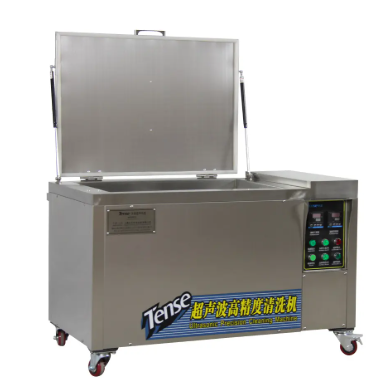
Short Description:
TS series has been specifically designed for the cleaning and degreasing of all type of parts and components in Automotive industry. It achieves excellent cleaning results in many types of materials, especially in complex parts, where the ultrasounds have excellent results thanks to its high penetration capacity. Thus, the results while cleaning automobile engines are spectacular, even in those smaller and delicate parts.
Our Automotive series uses 28 kHz frequency with which the best results for the Automotive Sector are achieved.
Thorough Cleaning of Every Surface
Ultrasonic cleaning machine technology uses cavitation to clean every surface the solution touches, including caliper bores, fluid passages, and tight clearances, without manual scrubbing.
Gentle on Critical Surfaces
Ultrasonic cleaning is non-abrasive. Microscopic bubbles clean surfaces without scratching or altering the finish, ensuring that critical sealing surfaces remain smooth and undamaged.
Step-by-Step Guide
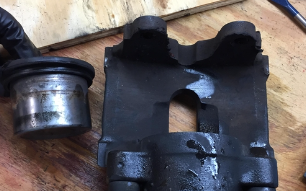
Conclusion
Industrial ultrasonic cleaner technology offers a superior way to maintain safety-critical brake components. It is faster, more thorough, and safer for the environment. To find the right system for your shop, visit Tense to explore the TS Series.
FAQ
A: It is not recommended; always replace rubber components during a rebuild.
A: Light surface rust can be removed, but heavy pitting may require additional treatment.
A: 10–20 minutes of cleaning, with a total process time of 30–45 minutes per set.
A: Yes, provided you use an aluminum-safe detergent and avoid direct metal-to-metal contact.
Post time: Sep-16-2026